Understanding Frequent Issues and Their Avoidance
Aluminum welding is a process used in various industries due to its lightweight and corrosion-resistant properties. However, it can be challenging because aluminum reacts differently compared to other metals. If not done correctly, defects may arise, leading to weakened structures or costly repairs. Understanding the common defects in this type of welding and how to prevent them is crucial for ensuring high-quality results and maintaining the safety of structures.
Poor Fusion Issues
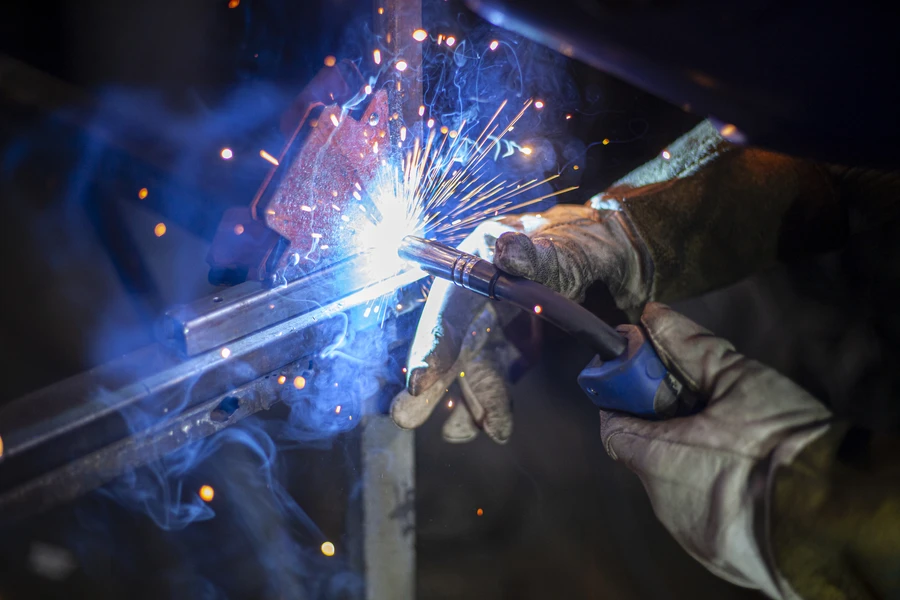
Poor fusion is a defect where the metal does not properly join during the welding process. This often happens when the weld pool fails to penetrate both pieces being welded together. One way to prevent poor fusion in aluminum welding is by ensuring that the surfaces are clean and free from any oxides or contaminants. Additionally, using the correct welding parameters, such as appropriate heat settings and travel speed, can significantly reduce the risk of this defect.
Porosity Problems
Porosity refers to the appearance of small holes or voids within the weld. These occur when gas gets trapped in the molten metal. Porosity can weaken the weld, making it less durable over time. To prevent porosity in aluminum welding, it’s essential to use clean and dry materials. Also, maintaining proper shielding gas coverage during the welding process helps eliminate gas entrapment. Adjusting the torch angle can also ensure better gas flow and minimize porosity.
Cracking Concerns
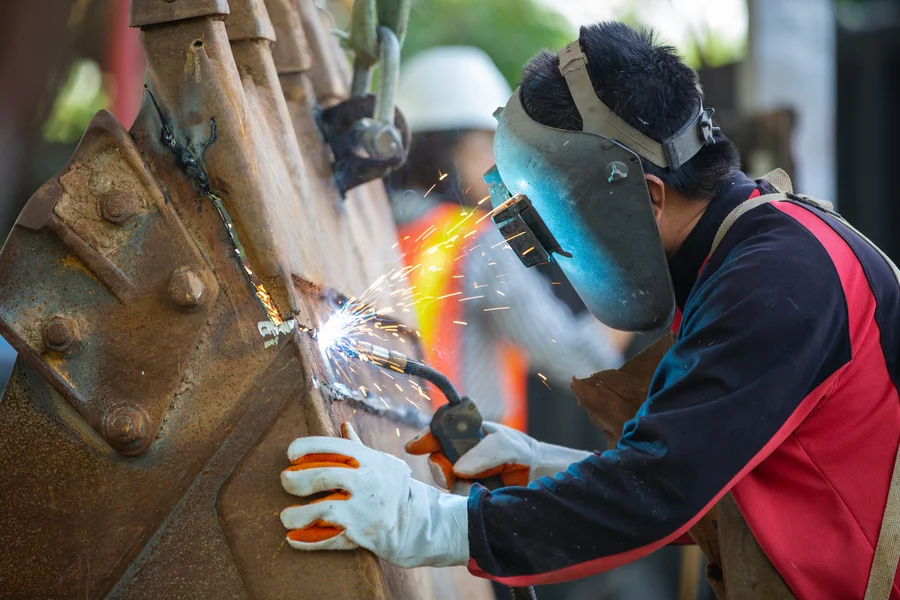
Cracking is another significant issue that occurs if stresses build up in the welded material. It can happen immediately after welding or even later during cooling. Cracking often results from improper temperature control or incompatible materials. To avoid cracking issues in aluminum welding, it’s vital to preheat the materials adequately and allow them to cool slowly. Selecting compatible filler materials that match the base metals can further reduce the chance of cracking.
Distortion Challenges
Distortion arises when uneven heating leads to unwanted changes in shape or dimensions of the welded components. This defect can compromise structural integrity and fit-up with other parts. Minimizing distortion involves controlling the heat input by using lower amperage settings and employing back-stepping techniques. Clamping the workpieces securely during the welding process ensures alignment and reduces movement that leads to distortion.
Inadequate Penetration
Inadequate penetration happens when the weld does not extend through the entire thickness of the joint, resulting in weak connections. Ensuring adequate penetration requires attention to welding speed, angle, and filler material choice. Utilizing proper electrode positions and adjusting travel speeds help achieve deeper penetration and stronger welds.
Best Practices for Optimal Results
- Always clean your workpieces thoroughly before starting.
- Select appropriate filler materials for compatibility.
- Adjust machine settings according to metal thickness.
- Use proper shielding gases like argon or helium.
- Maintain consistent travel speed throughout the weld.
Concluding Recommendations
Addressing common defects in aluminum welding begins with understanding their causes and applying preventive measures diligently. Implementing industry best practices enhances weld quality and ensures long-term reliability. For expert assistance, contact Morrows Portable Welding LLC at (970) 519-6488. Our services in Brush, CO are tailored to meet your welding needs efficiently.