Effective Methods to Protect Weld Joints From Corrosion
Corrosion is a common issue in metalwork, especially when it comes to weld joints. This problem can compromise the integrity and durability of structures. Understanding how to prevent corrosion in these areas is crucial for maintaining the strength and longevity of welded items. Whether you’re working on small DIY projects or large industrial constructions, knowing effective prevention techniques will ensure safety and cost-effectiveness over time.
The Importance of Material Selection
Choosing the right materials plays a vital role in preventing corrosion. When dealing with stainless steel welding, selecting high-quality stainless steel grades that offer better resistance to rust is essential. These grades are designed to withstand harsh environmental conditions and reduce the risk of joint failure. By opting for quality materials, you can enhance the life span of your projects significantly.
Proper Welding Techniques
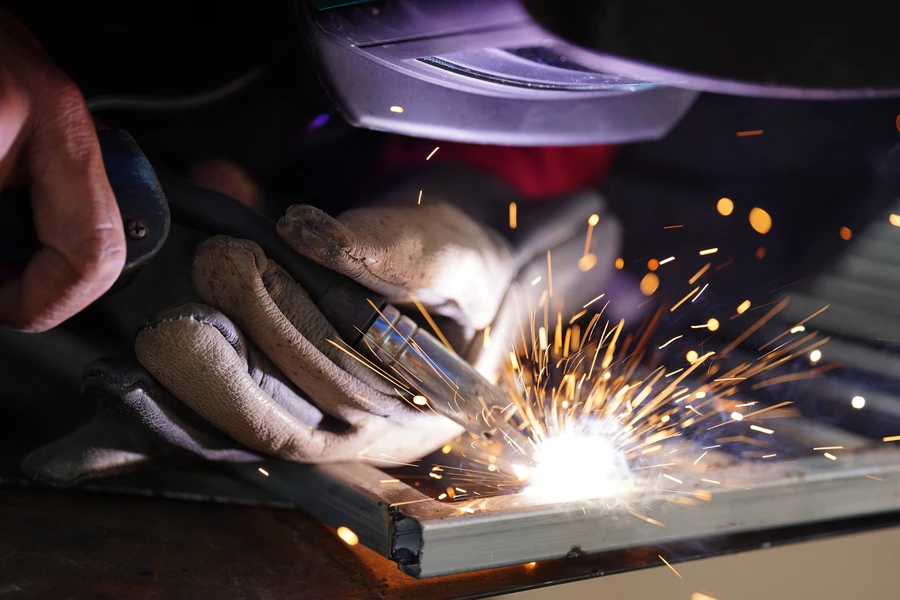
Applying proper techniques during the welding process is another critical factor. During stainless steel welding, ensure that the correct temperature and speed are used to prevent defects that could lead to corrosion. It’s important to use filler materials compatible with the base metals to avoid galvanic corrosion. Proper training and experience are also key to executing flawless welds that stand up against potential corrosive elements.
Post-Welding Cleaning Procedures
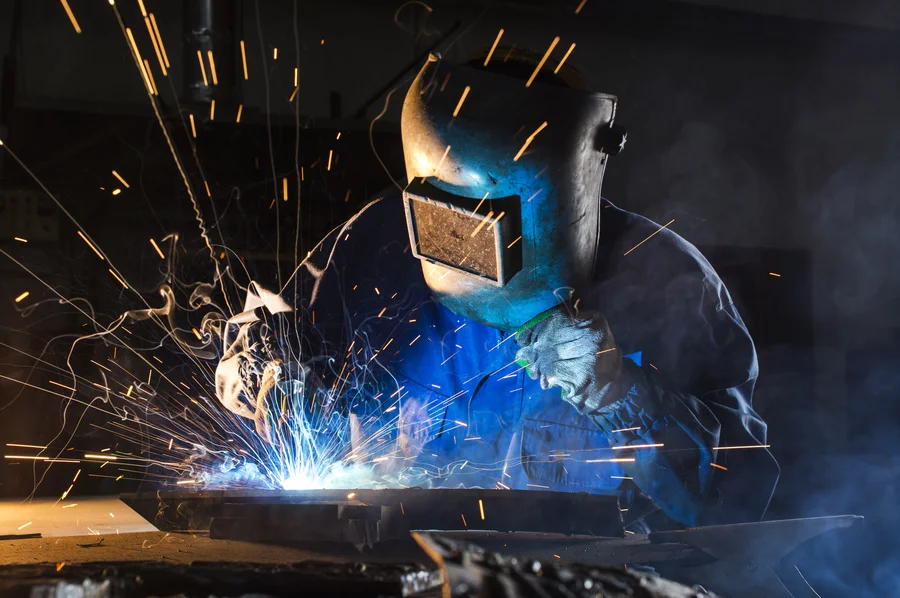
After completing a welding job, thorough cleaning is necessary to remove any contaminants. Residue from welding processes can contribute to corrosion if left unchecked. It is advisable to clean the joints using appropriate solutions and methods, such as passivation, which helps restore the protective oxide layer on stainless steel surfaces. Regular maintenance checks should be part of your routine to maintain cleanliness and protection.
Environmental Protection Strategies
The environment where your weldments are placed affects their susceptibility to corrosion. You can protect welds by applying coatings or sealants that provide a barrier against moisture and other corrosive agents. For outdoor applications, consider the use of weather-resistant paints or sprays specifically designed for stainless steel surfaces. Implementing these measures will help extend the lifetime of your projects.
Monitoring and Inspection Practices
Regular monitoring and inspection of welded joints are crucial for early detection of potential issues. By performing periodic checks, you can identify signs of corrosion before they become serious problems. Use non-destructive testing methods like ultrasonic testing or radiography to examine the internal structure without causing damage. Early intervention can save both time and resources.
Cost Implications of Corrosion Prevention
Investing in corrosion prevention measures might seem costly initially, but it offers long-term savings. Preventing corrosion reduces repair costs and extends the service life of structures, leading to significant financial benefits over time. Consider this as an investment in reliability and durability rather than an expense.
Partner With Experts for Optimal Results
For professional outcomes, partnering with experts in metal fabrication is advisable. They bring experience and knowledge to ensure that all preventive measures are correctly implemented. Contact Morrows Portable Welding LLC at (970) 519-6488 for expert guidance tailored to your specific needs. Based in Brush, CO, our team provides comprehensive support for all welding projects.