Tackling Common Issues During the Metal Joining Process
Aluminum is a common choice in many industries due to its light weight and strength. Despite these benefits, welding this metal can be tricky. Those who work with aluminum face several challenges that can affect the quality of their projects. This guide will shed light on these issues and provide practical solutions for overcoming them. By understanding what makes working with this material hard, you can improve results and ensure strong, reliable joints.
Why Is Working With This Metal Difficult?
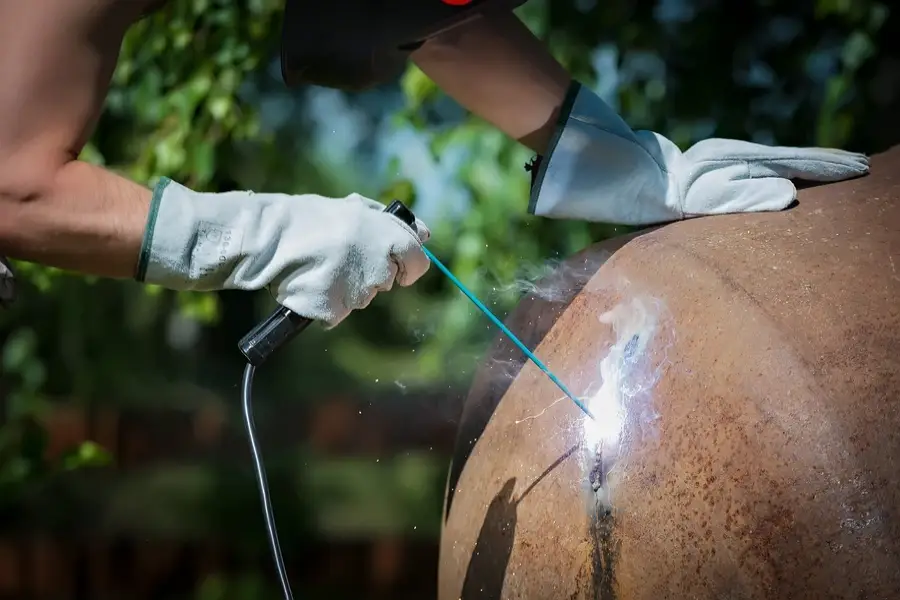
One main challenge people face when dealing with aluminum welding is its high thermal conductivity. This property causes the heat from welding to spread quickly, which requires more energy to achieve proper fusion. Additionally, this metal forms an oxide layer that melts at a higher temperature than the base metal itself, further complicating the process.
The Art of Perfecting Welds in Aluminum
Achieving good welds during aluminum welding often involves adjusting techniques and tools. For instance, using a power supply with adequate amperage is crucial to maintaining stability. Selecting the right filler material also plays a key role in preventing defects. Welders need to pay attention to joint design as well, which can significantly impact the final outcome.
Identifying Key Problems in the Process
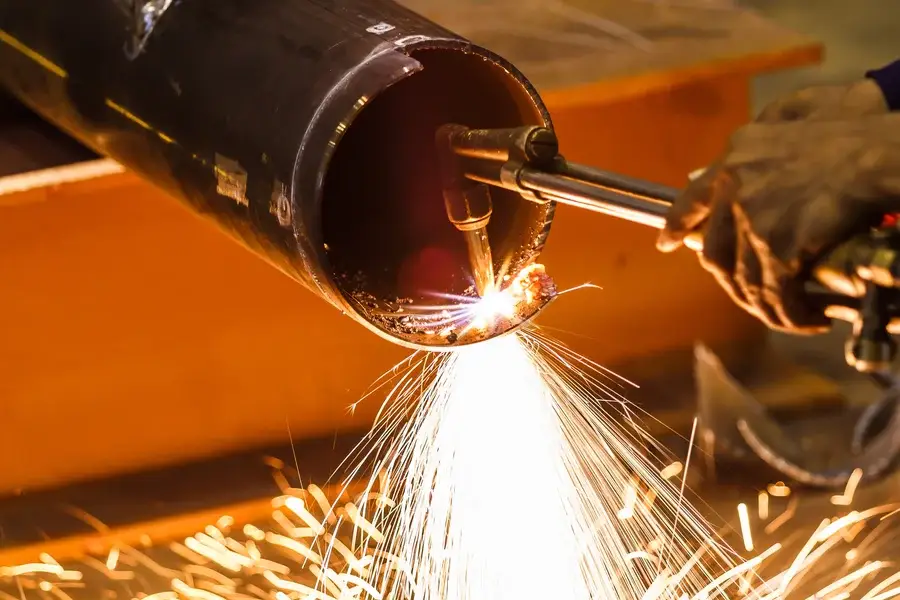
Several issues frequently arise during the joining of this versatile metal. One common problem is the risk of porosity. Porosity occurs when gas gets trapped in the weld pool, leading to weak spots. Another issue is cracking, which may happen if the cooling rate is too fast or if there are impurities present in the metal. Recognizing these problems early on helps in taking corrective actions.
Effective Solutions for Overcoming Challenges
Tackling aluminum welding problems requires strategic approaches. To reduce porosity, you should clean the surface thoroughly before starting. Using a wire brush or chemical cleaner can help remove dirt and oxides. Opting for slower cooling speeds can mitigate cracking risks, allowing the metal to solidify evenly.
- Choose appropriate shielding gas to minimize contamination
- Select correct filler alloys to match base metal properties
- Control heat input by adjusting amperage settings
Adhering to Industry Standards
Meeting industry standards ensures safety and durability in welded products. Organizations like the American Welding Society (AWS) offer guidelines that help maintain quality across various applications. These standards cover aspects like material selection, joint preparation, and testing procedures to verify integrity.
Cost Factors to Keep in Mind
The cost associated with aluminum welding can vary based on materials and equipment used. Investing in high-quality supplies may increase initial expenses but offers long-term savings by reducing errors and rework. Understanding your specific needs allows you to balance costs while ensuring effective project execution.
Final Words on Improving Your Techniques
Addressing challenges in aluminum welding involves both learning and adapting best practices tailored to specific conditions. Always prioritize thorough cleaning and carefully select materials to optimize results. When looking for professional assistance, consider Morrows Portable Welding LLC for expert advice and services. Call us at (970) 519-6488 to discuss your next project and find out how we can support your goals. Based in Brush, CO, our team is ready to help you overcome any hurdles you might face.