Exploring Key Materials for Effective Metal Joining
The world of metal joining heavily relies on the quality and type of materials used. These materials play a crucial role in ensuring that the structures built are durable and efficient. Understanding the various materials involved in these processes can help in making informed choices, whether you’re working on large-scale industrial projects or small personal endeavors.
Steels: the Backbone of Metalwork
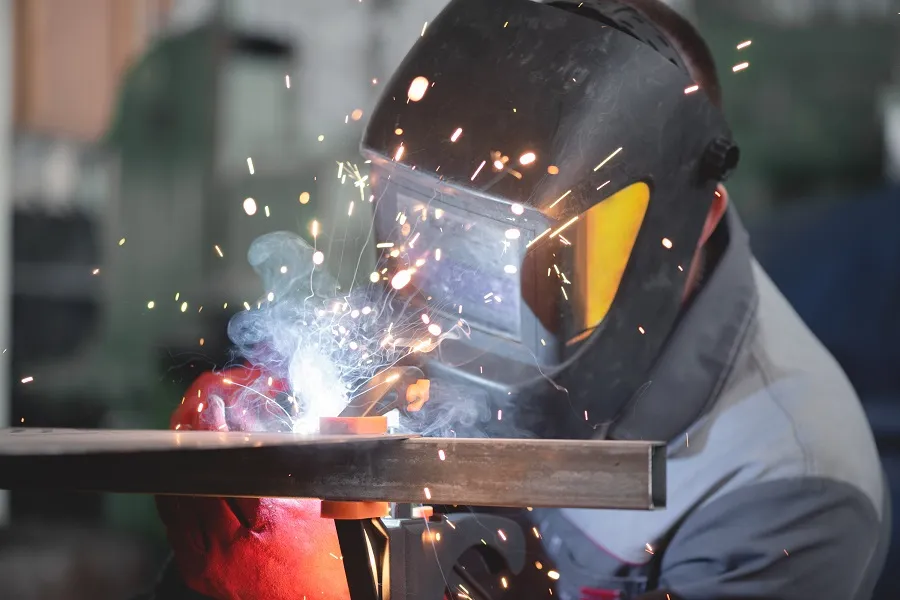
Steel is among the most common materials used due to its strength and versatility. Carbon steel, stainless steel, and alloy steels are popular types, each offering unique properties suited to different applications. For instance, carbon steel is typically favored for its affordability and strength, while stainless steel is chosen for corrosion resistance.
Aluminum: Lightweight With High Strength
Aluminum’s use in welding fabrication comes from its lightweight nature combined with significant strength. This makes it ideal for industries like automotive and aerospace, where reducing weight without compromising strength is vital. Additionally, aluminum conducts heat well, which requires careful handling during welding to avoid distortion.
Copper and Its Alloys: Excellent Conductors
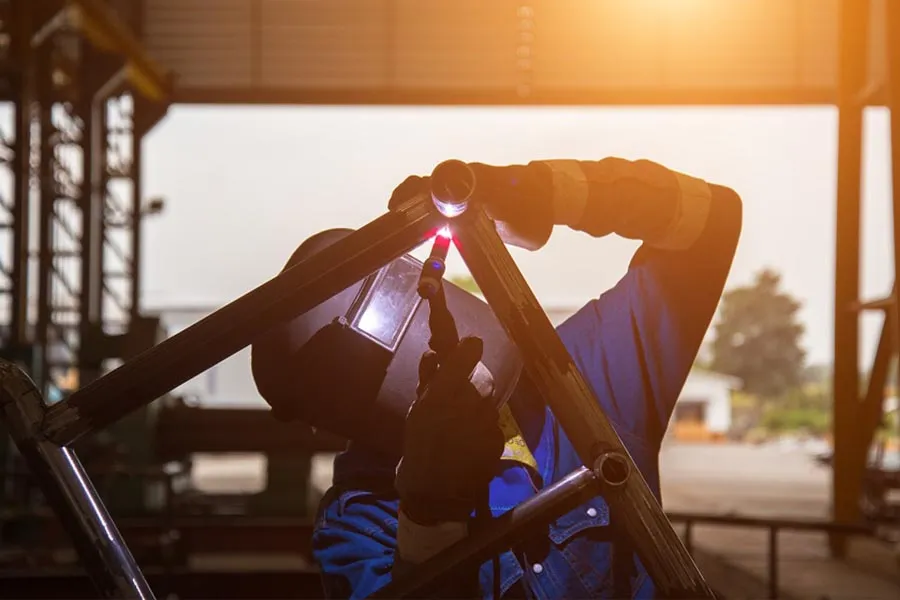
Copper is renowned for its excellent electrical and thermal conductivity, making it essential in electrical wiring and components. Copper alloys such as bronze and brass are also used for their aesthetic qualities and resistance to wear and corrosion. These properties make copper and its alloys indispensable in specialized welding fabrication applications.
Nickel-Based Alloys: Exceptional Performance at High Temperatures
In environments where high temperatures are the norm, nickel-based alloys shine. They maintain their strength under extreme conditions, which is why they’re often employed in power plants and chemical processing facilities. Their resilience against oxidation and corrosion further enhances their suitability for harsh environments.
Titanium: Robust yet Corrosion-Resistant
Titanium stands out due to its robust nature paired with exceptional corrosion resistance. It’s commonly used in sectors such as aerospace and medical devices, where these traits are particularly beneficial. Welding titanium requires precision techniques since it’s prone to contamination if handled improperly.
Zinc-Coated Metals: Protection Against Corrosion
Zinc coating is often applied to metals to protect them from corrosion through a process known as galvanizing. This layer acts as a barrier against environmental factors that could degrade the metal beneath. Industries that frequently expose metals to moisture or chemicals often turn to zinc-coated materials for enhanced longevity.
- Carbon Steel – Known for strength and affordability
- Stainless Steel – Chosen for corrosion resistance
- Aluminum – Lightweight yet strong, ideal for automotive uses
- Copper – Excellent conductor of electricity and heat
- Nickel-Based Alloys – Maintain integrity at high temperatures
- Titanium – Durable with superb corrosion resistance
- Zinc-Coated Metals – Provides protective barrier against rust
Making Informed Material Choices
Your choice of material impacts not just the ease of welding but also the final performance of your project. Consider factors such as environment exposure, load-bearing requirements, and budget constraints when selecting materials. Each material offers specific benefits that should align with your project’s needs to ensure success.
Partner With Experts for Optimal Results
For those looking to embark on welding projects, understanding material properties is crucial. Collaborating with experienced professionals ensures you leverage expert insights into choosing the right materials. Our team at Morrows Portable Welding LLC provides guidance tailored to your project’s unique demands. Located in Brush, CO, we offer comprehensive support to enhance your project’s durability and effectiveness. Reach us at (970) 519-6488 for more information.