Strategies to Ensure Precision and Quality in Metalwork
Welding projects can often result in distortion, especially when working with metals like stainless steel. Whether you’re a seasoned professional or just starting out, understanding how to minimize these distortions is key to achieving high-quality results. By implementing various techniques and strategies, you can enhance the precision of your welds and ensure that your final product meets the desired specifications. This guide will offer practical tips on how to manage heat input, select appropriate materials, and use advanced welding methods to maintain accuracy.
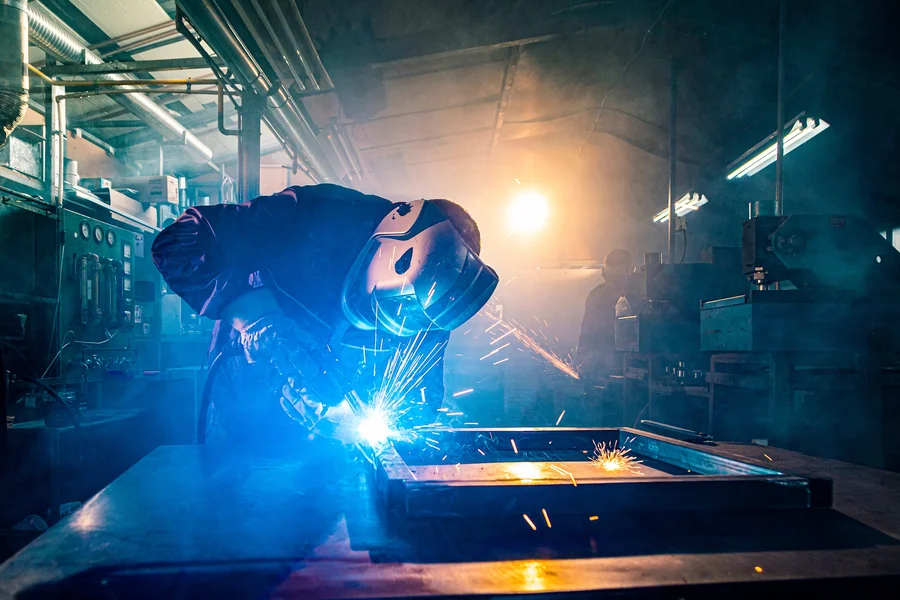
Understanding Material Properties
The material properties of stainless steel make it unique but also challenging to work with. It has a lower thermal conductivity compared to other metals, which means it doesn’t dissipate heat as quickly. When welding, this property can contribute to localized heating and ultimately lead to distortion. Knowing these characteristics helps you anticipate potential problems and adjust your techniques accordingly.
Selecting the Right Welding Method
Choosing the correct welding method is crucial for minimizing distortion in stainless steel welding. Each technique has its advantages and limitations. For instance, TIG welding offers more control over heat input, making it ideal for thin materials where precision is essential. On the other hand, MIG welding might be more suitable for thicker sections. Understanding the strengths of each method allows you to make informed decisions based on your specific project needs.
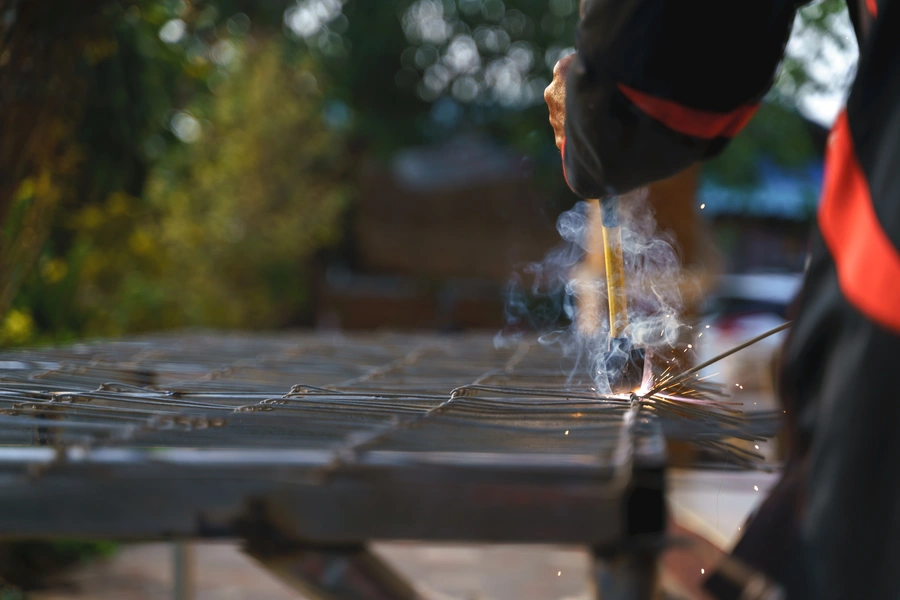
Controlling Heat Input
A critical factor in reducing distortion during stainless steel welding is managing heat input. Excessive heat can cause the metal to expand unevenly, resulting in deformations. Here are some ways to control heat effectively:
- Use shorter weld runs to minimize heat exposure
- Employ back-step welding techniques
- Ensure proper cooling between weld passes
Managing heat not only reduces distortion but also enhances the overall quality of the weld.
Using Fixtures and Clamps
Fixtures and clamps play a significant role in maintaining the shape and alignment of the workpiece during welding. They help counteract the forces that cause distortion by holding everything securely in place. Choose appropriate clamping devices for your project, ensuring they don’t interfere with the welding process itself. Utilizing fixtures can greatly improve precision and reduce rework time.
Pre-Weld Preparation Techniques
Proper preparation before starting any welding task can significantly impact the outcome. Ensuring your materials are clean and free of contaminants is essential. Additionally, consider pre-heating thicker sections uniformly if necessary; this minimizes temperature differences across the material, reducing the chance of distortion. Taking these preliminary steps sets the stage for successful welding outcomes.
Post-Weld Treatments
After completing a weld, there are several post-treatment options to further minimize any remaining distortions. Techniques such as peening or controlled cooling can relieve residual stresses within the material. Conducting thorough inspections ensures that all aspects meet quality standards while identifying areas needing correction early on simplifies rectifying any issues.
Partner With Experts for Best Results
For projects requiring utmost precision in stainless steel metalwork, partnering with experienced professionals ensures optimal outcomes every time. Located in Brush, CO, we at Morrows Portable Welding LLC specialize in providing premium services tailored specifically toward your project’s requirements. Get started today by contacting us at (970) 519-6488-our dedicated team stands ready to deliver exceptional results.